Skip to content

Susan Mello for Northeastern Global News

Portrait of Katie Thurston at an event.

34-year-old former ‘Bachelorette’ star Katie Thurston speaking out about breast cancer diagnosis may help others, say Northeastern experts

Research shows that celebrities disclosing their health issues can prompt fans to get checked themselves.
A Great White Shark jumping out of the ocean.

You’re more likely to die in a car crash than you are from a shark attack. So why are we more afraid of sharks?

Northeastern risk expert Susan Mello says the brain has "shortcuts" it uses to help make quick decisions on risk.
Silhouette of staff member looking at an image of a prostate on a monitor.

Prostate cancer is the second-leading cancer among men. Here’s what to know about it

Prostate cancer is one of the most common cancers in the U.S., making up about 29% of cancer cases diagnosed in men in 2023.
two people standing arm in arm in front of a memorial

More children died from gun violence than car crashes. Are school shootings to blame?

According to the latest data, gun violence is the leading cause of death for children age 1-19 in the U.S. But Northeastern experts say the true risks are hidden behind inflated coverage of mass shootings.

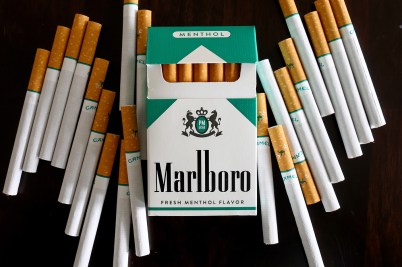
Social justice claim is Big Tobacco’s smoke screen in menthol regulation battle

As the FDA prepares to ban menthol cigarettes, some tobacco industry-backed lawmakers warn of criminalization that will target Black Americans. But Northeastern experts say it is an overdue measure that will save lives, and that such social justice claims are just another weapon in Big Tobacco's fight to keep Americans hooked.

Why is the U.S. behind on its COVID-19 vaccination goals?

The U.S. has not gotten at least one COVID-19 shot into 70 percent of adults’ arms yet, despite setting the goal to do so by July 4. While that’s not a failure, says Neil Maniar, director of the Master of Public Health program at Northeastern, it should be “a catalyst” for a fresh, more localized approach.
Shivam Patel, 13, receives his first Pfizer COVID-19 vaccination from nurse Diawna Jenkins as his father, Rajesh Patel, observes from the background at the Cook County Public Health Department on May 13, 2021, in Des Plaines, Ill. AP Photo by Shafkat Anowar

Should kids get a COVID-19 vaccination? Ask them.

While parents generally need to be on board for medical decisions, their children might be just as important—if not more—in deciding to get the COVID-19 vaccine, says Susan Mello, an assistant professor at Northeastern who studies health communication.

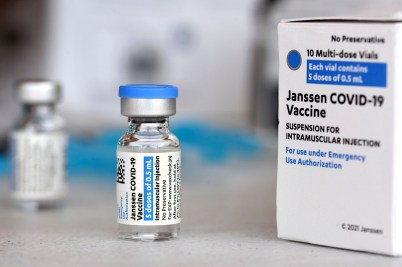
With the Johnson & Johnson COVID-19 vaccine pause, getting the message right is critical

Public health authorities find themselves in a delicate position when it comes to the messaging about the safety and efficacy of COVID-19 vaccines to the United States public, two Northeastern scholars of public health law and communications say. “I think regulators have to thread a very fine needle, and they’re doing so in a moment that is very fraught,” says law professor Wendy Parmet.

With new May 1 vaccine push, communication key to pushing past resistance

When President Biden announced last week that all American adults would become eligible for vaccination against COVID-19 by May 1, it wasn’t just a plan to end the pandemic. It was also a collective call to action.
According to new research by Northeastern assistant professor Susan Mello, teenage exposure to secondhand aerosols was even more prevalent in 2018 than their e-cigarette use during the same time. Photo via iStock

The Trump administration ban on flavored e-cigarettes wouldn’t just affect teens who vape; it would help their peers inhaling secondhand aerosol as well

Teenagers were more likely to have been exposed to secondhand aerosols from vape pens in 2018 than they were to have actually used the pens themselves, according to new research by Susan Mello, an assistant professor at Northeastern.