Northeastern opens Fall River hub to tackle dire nursing shortage
To address the nationwide nursing shortage, Northeastern celebrated the opening of its Fall River hub where it will expand its accelerated Bachelor of Science in nursing program.

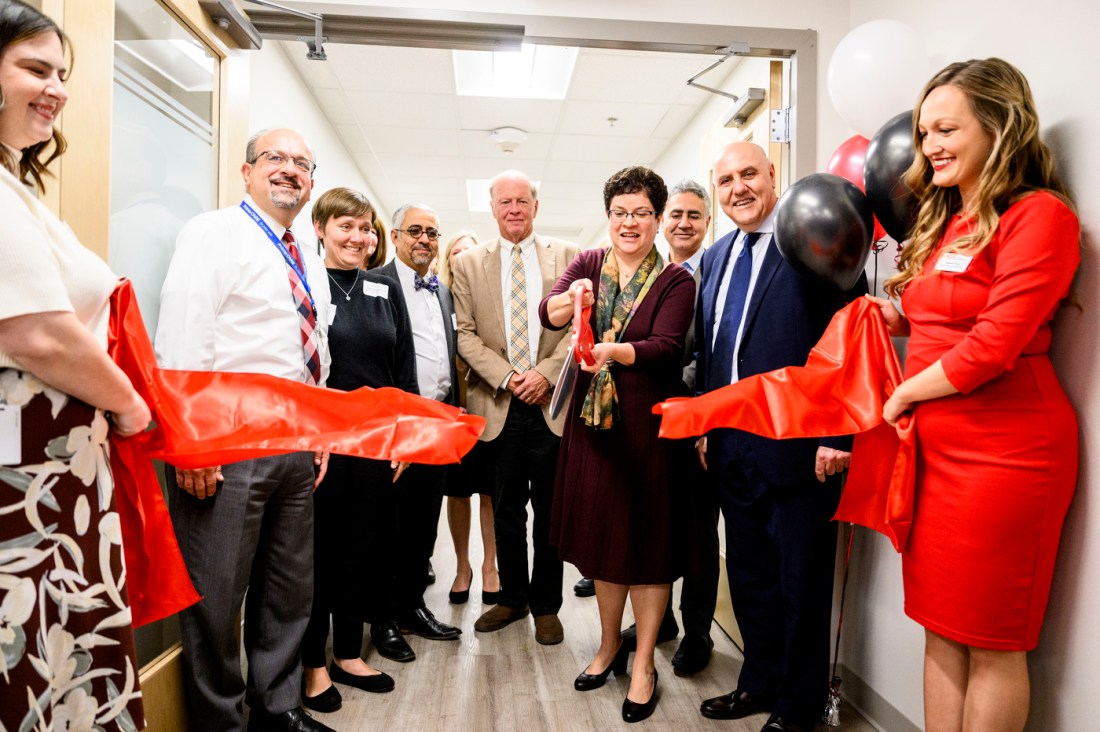
FALL RIVER –– For Carole Billington, the nationwide nursing shortage is far from just a headline — it’s a reality.
As president and chief nursing officer of Saint Anne’s Hospital in Fall River, Massachusetts, and a registered nurse herself, she has seen firsthand what happens when there aren’t enough nurses to meet the often dire health care needs of her community.
“This shortage is expected to intensify as our baby boomers age and the need for health care grows,” Billington says. “We know that there are really motivated, enthusiastic learners in our community who want to become registered nurses.”
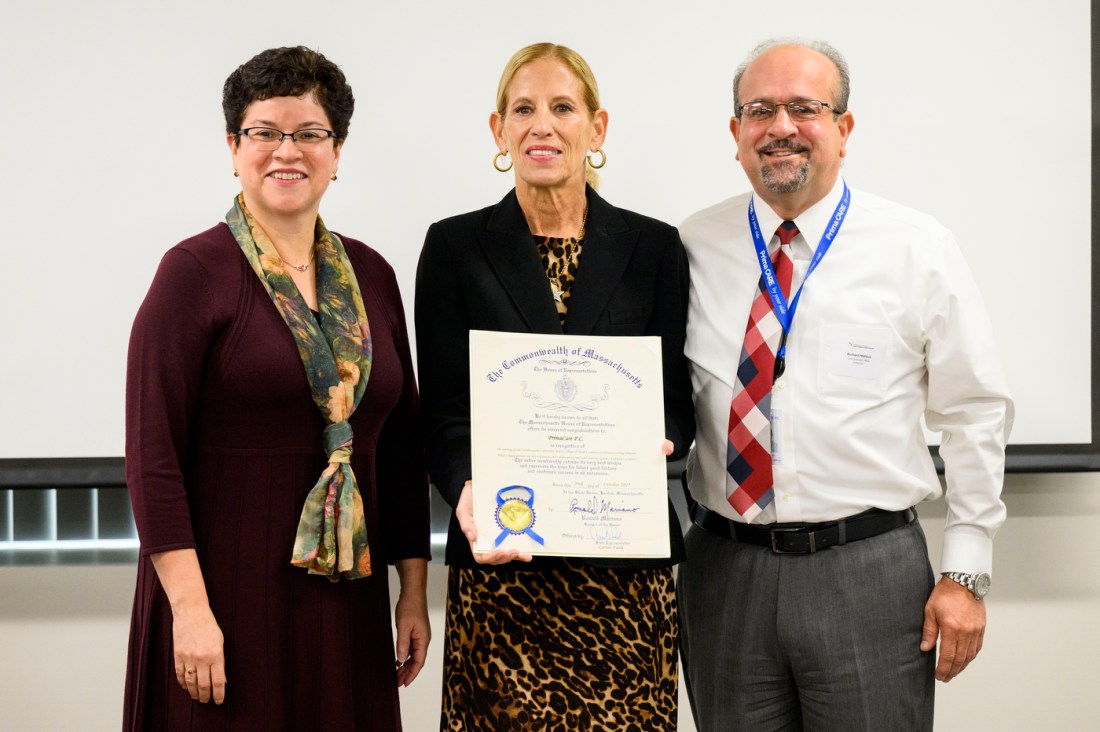
To address this nationwide challenge, Northeastern University officially opened its Fall River hub, where it will expand its accelerated bachelor of science in nursing program. Already popular at Northeastern’s Burlington, Massachusetts, and Charlotte, North Carolina, campuses, the four-semester program creates an on-ramp for people looking to shift into health care later in life or just advance their skills. Northeastern celebrated the Fall River opening alongside local health care partners and elected officials with a ribbon-cutting on Wednesday.
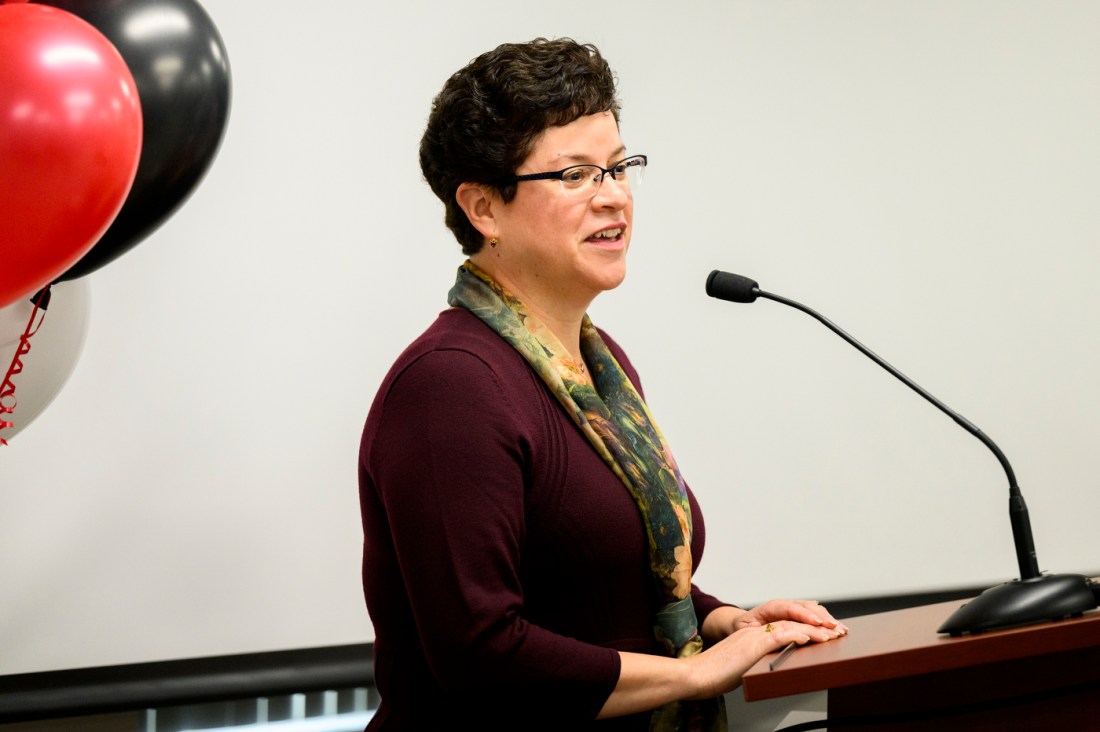
“The whole idea is to be in the real world and address challenges and provide solutions that are meaningful to the real world and not in the walls, if you will, of institutions of higher education,” Carmen Castañeda Sceppa, dean and professor of Bouvé College of Health Sciences, said at the facility’s grand opening.
Since the COVID-19 pandemic, the U.S. has faced an increasingly critical shortage of nurses due not only to the burnout and stress associated with the pandemic. A lack of educators to train the next generation of nurses combined with an aging workforce has exacerbated the situation.
The Health Resources and Services Administration projects that by 2026 there will be a 10% shortage of registered nurses, the equivalent of 350,540 unfilled positions. Nursing shortages are connected to higher morbidity, mortality rates and errors.
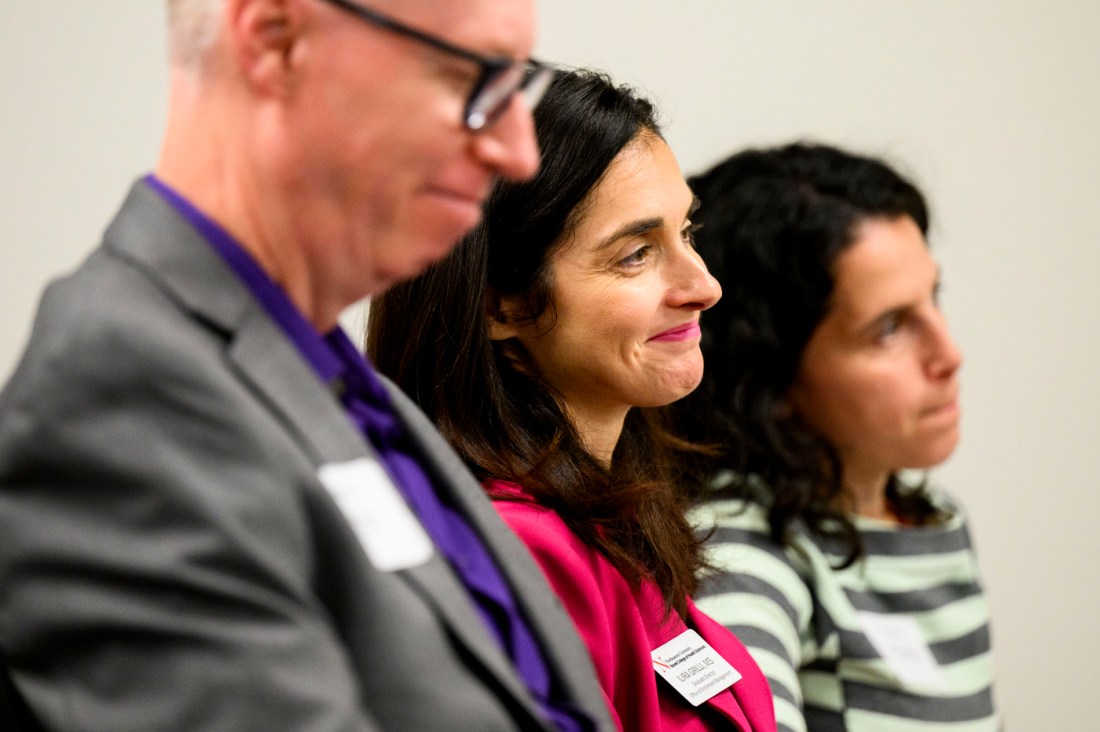

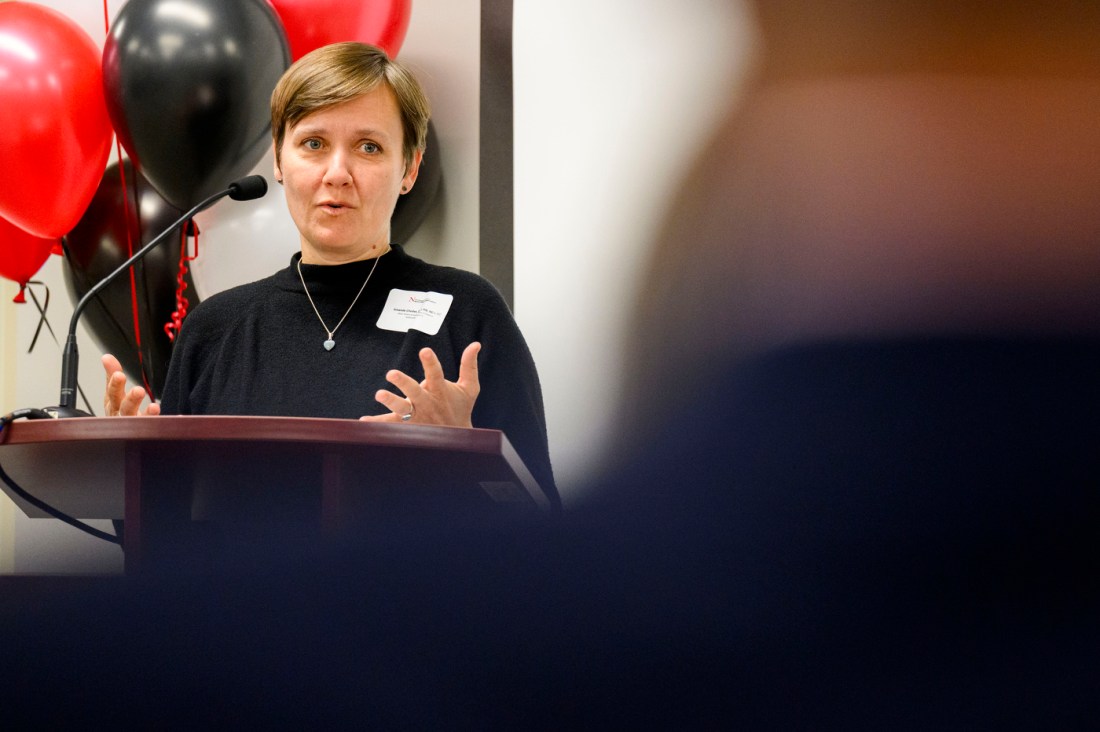
With more Americans over the age of 65 than ever before, the supply of trained nurses is simply not keeping up with the demand for health services. It’s a problem that requires an all-hands-on-deck approach, particularly at the local level, says Amanda Choflet, dean of Northeastern’s School of Nursing.
Located on the site of local health care provider Prima CARE, the Fall River ABSN program will help create an infusion of highly qualified nurses in a city that lacks a talent pipeline. Cities like Boston might be health care hubs, but just a few hours outside, local hospitals face nursing shortages that lead to bed closures and six- to eight-month waits for primary care appointments, Choflet explains.
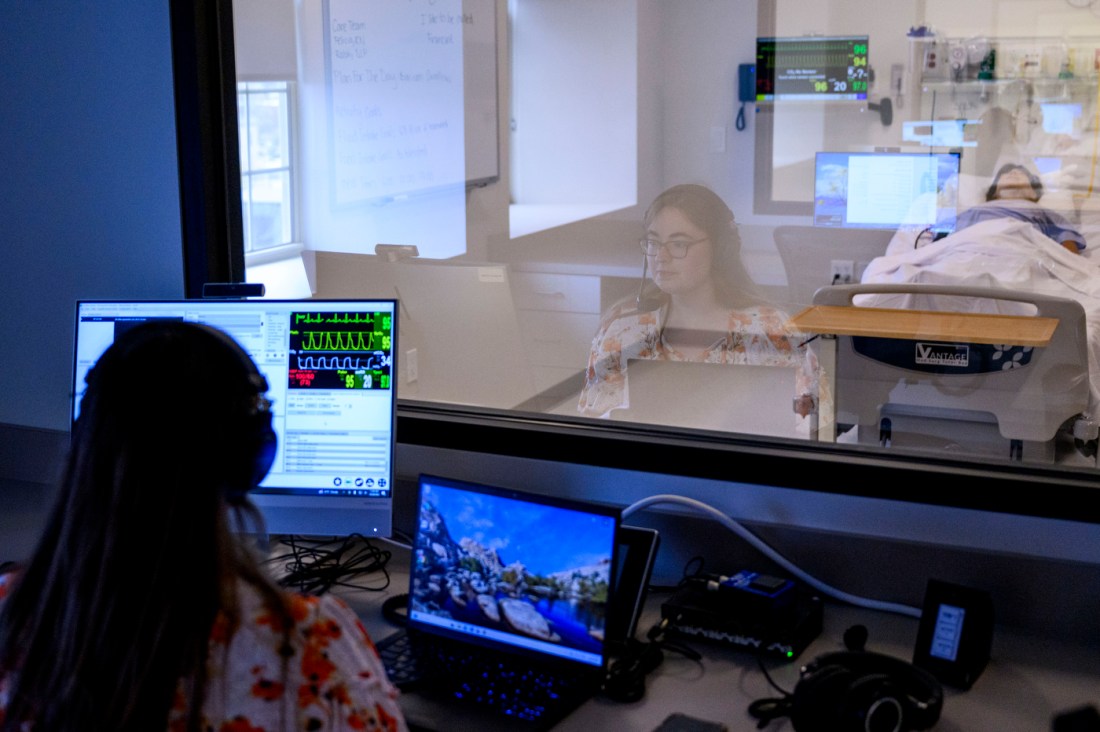
The ABSN program in Fall River will host three 35-student cohorts each year. Students will learn in classrooms and experiential simulation labs as well as outside the traditional academic setting. They will have access to training labs provided by Bioskills of Northeastern along with hands-on experience through placements at Saint Anne’s Hospital.


“We also know that when nurses get exposure to local hospitals, they have a tendency to stay in those hospitals post-graduation,” Choflet says.
Having that kind of relationship with the community where you live and work can also help combat the kind of burnout that’s far too common among health care workers.
Editor’s Picks





“If you have a commitment and a relationship with where you’re giving your blood, sweat and tears, you’re more willing to keep going and be a part of it because you know that that’s your neighbor, you know that’s your family member,” says Jennifer Cocio-Thompson, program director for the ABSN program in Fall River.
Northeastern’s ABSN program is specifically aimed at drawing in lifelong learners, bachelor’s degree holders who might be looking to make a mid-career shift into nursing. It’s an approach that casts the net wide for potential talent, opening as many doors as possible for incoming students.
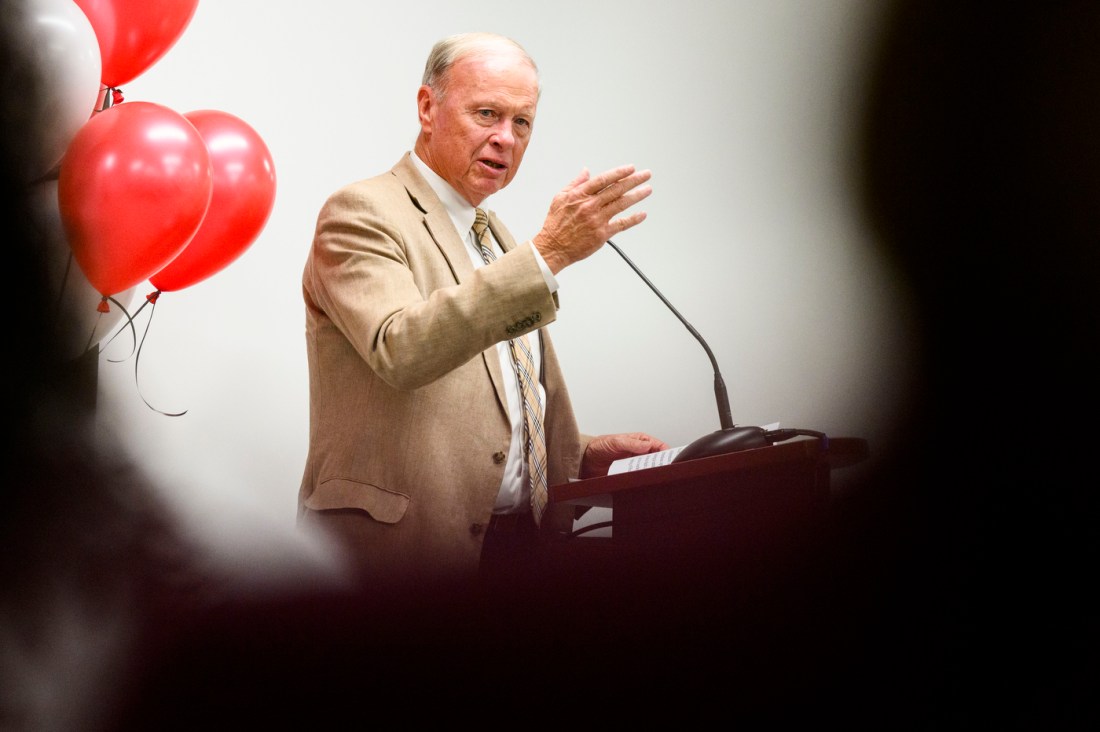
“This institution will create a new generation of students who will be able to find their passions and hone their skills,” said Paul Coogan, mayor of Fall River, at the opening.
Having worked as a nurse for 20 years, Choflet is heavily invested in the success of Northeastern’s ABSN program. Collaboration between higher education institutions, health care providers and community members is one of the potential solutions to America’s nursing shortage, she says. She’s hopeful for what it can do in Fall River, but also that it will be “a beacon that we can show the rest of the commonwealth and even the rest of the country what can be done through meaningful grassroots collaboration.”


